Modi Cuts Corporate Tax, Then Asks Where Jobs Went
The Prime Minister has discovered that concessions are not employment schemes, preferably before the next concession is announced.
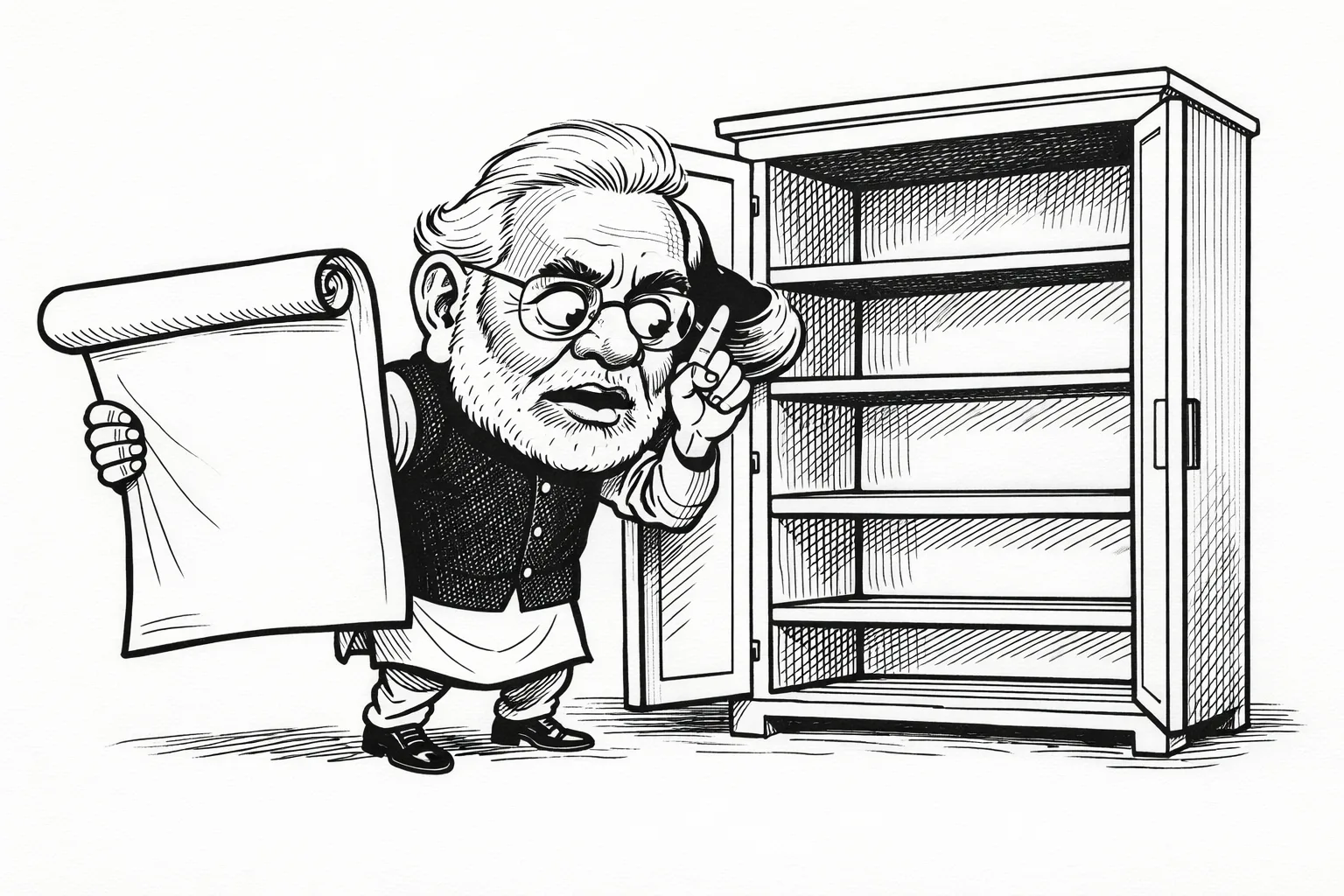
Narendra Modi walked into the FICCI centenary convention with a corporate tax cut in one hand and an awkward question in the other. The basic corporate tax rate, he said, had fallen from 30 per cent in 2014 to 22 per cent. Income up to ₹12 lakh was exempt under the new tax regime. Then came the inquiry addressed to India Inc: “Have you increased the salaries of your employees? Have you increased the number of employees? No.”
This is the government’s economic model reaching its comic conclusion. Delhi gives business a concession, waits for prosperity to emerge by spiritual transmission, and then asks companies why the workers have not received the memo. The Prime Minister wants credit for the relief and distance from the result. It is an elegant arrangement: the state supplies the benefit, the corporations supply the silence, and the unemployed supply the patience.
Modi also described the familiar corporate philosophy: “Modi ji, you do it, we will see.” At least someone in the room was honest. The government did it. Industry saw it. Salaries did not become a national festival merely because the tax department had been instructed to be generous. Employment did not appear because a speech called the domestic market a comfort zone and asked companies to build self-reliance. A slogan is not a payroll department, though it has been given an impressive amount of administrative work.
The sharper failure is not that companies pursued their interests. That is what companies do. The failure is a government that sold tax relief as part of a wider national bargain, then returned to the beneficiaries demanding that they perform the miracle themselves. Workers, small traders and young Indians were not in the room, but they were the unpaid audience for this exchange between the state and the firms it empowered. Rahul Gandhi called Modi’s complaint “your own confession”; politically, that is fair. The Prime Minister supplied the evidence without needing opposition assistance.
Corporate tax fell from 30 per cent to 22 per cent. The Prime Minister still had to ask who got hired. That is not a jobs strategy; it is a concession invoice with the recipient refusing delivery.
More from The Column
- Naidu’s 2050 Vision Has Arrived. Groceries Have NotAndhra Pradesh’s government is offering investors certainty, poor families adoption and everyone else a longer waiting period.
- Telangana Congress Has Perfected Governance By Personal InsultHouses are completed, insurance is announced, bills wait, and dissenting MLAs receive a diagnosis from the Chief Minister.
- Andhra’s Fee-Reimbursement Ledger Has Entered Politics ClassStudents need fees cleared; Andhra’s rival administrations have supplied competing PowerPoint presentations instead.
- Revanth Reddy Sends Fund Questions to ErragaddaWhen MLAs ask where the money went, Telangana’s government reaches for a diagnosis instead of a document.