The Election Commission Has Misplaced Form 6
Citizens must prove they belong in democracy while the institution cannot prove what the Supreme Court approved.
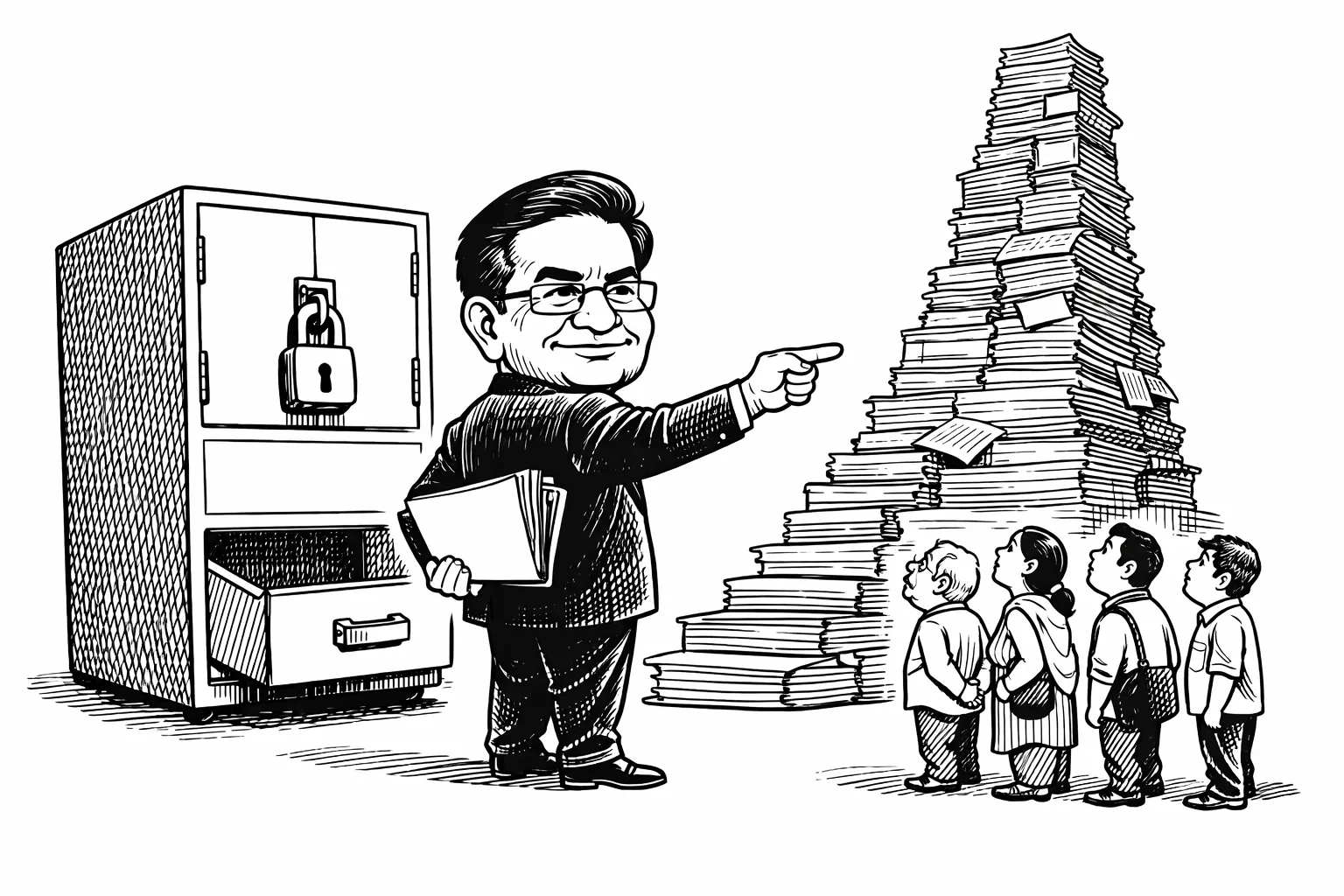
The Election Commission has discovered a thrilling new feature of democracy: the voter must produce ancestral paperwork, while the Commission may misplace the paperwork explaining its own paperwork. On 5 October, Chief Justice Surya Kant said the Supreme Court had not approved “any” modification to Form 6. The Commission had said the additional declaration attached to it had been upheld. Two institutions, one form, and apparently no shared understanding of what happened to it.
The extra declaration asks new voters to establish whether they, their parents or grandparents appeared on an electoral roll after the previous Special Intensive Revision. In Bihar, roughly 65 lakh names were left out of the draft roll. The Commission says this is housekeeping: removing duplicates, dead entries and the ineligible. Critics say legitimate voters may be pushed out because they lack old records. The difference between those two descriptions is the difference between cleaning a house and changing the guest list.
Chief Election Commissioner Gyanesh Kumar now faces demands for resignation. Opposition MPs marched towards the Commission, with Rahul Gandhi accusing Prime Minister Narendra Modi, Home Minister Amit Shah, RSS chief Mohan Bhagwat and the CEC of “hijacking” elections. The BJP’s answer was to call the march a bid to “relaunch Rahul Gandhi”. Union Minister Kiren Rijiju added “anti-India elements” and conspiracy to the menu. This is the national political method in its purest form: do not answer the missing records; question the patriotism of the people asking for them.
The Telangana concern is not theoretical. If this exercise expands, voters here too may be asked to prove family history, retrieve documents from administrative decades ago and survive a process where exclusion arrives first and correction is offered later, on a deadline. A government that says it is protecting electoral purity should begin by explaining why its own account of what the Supreme Court approved does not match the Court’s account. The burden of proof has been placed on citizens, while the institution holding the election cannot clear its own paperwork. That is not electoral reform. It is bureaucratic gatekeeping wearing a national flag.
More from The Column
- Telangana’s Drought Plan: First, Form a CommitteeWith 235 mandals facing drought-like conditions, the government has discovered its most dependable crop: paperwork.
- The Voter List Is Being Cleaned Of VotersDelhi calls it verification; citizens are left wondering whether democracy now requires an ancestral property file.
- Telangana’s Land Crisis Has Found Its Missing OwnerThe 22-A mess is frozen; only the government’s explanations keep moving between departments and political targets.
- India’s Voter Roll Now Comes With HomeworkThe Election Commission calls it housekeeping; voters are being asked to submit a dissertation proving they exist.