SIR has safeguards. The national audit trail is absent
The Supreme Court upheld the ECI’s power to revise electoral rolls. It did not produce one public ledger showing exclusions, reasons, restorations and appeals across India.
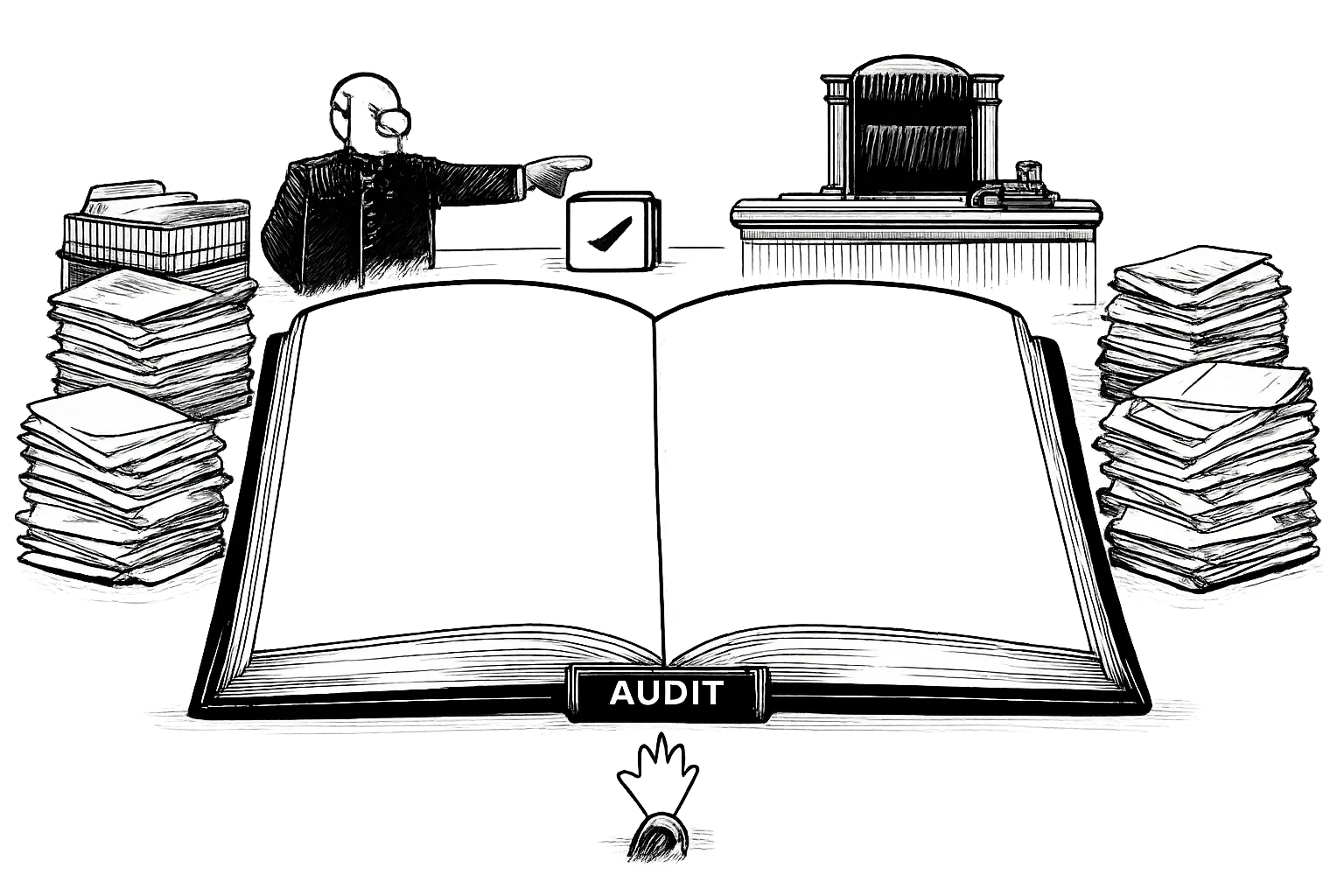
The safeguards are specified. The national ledger is not.
The Supreme Court has settled one part of the Special Intensive Revision dispute: the Election Commission of India can conduct the exercise. It has not settled the more useful question—whether voters can see, in one auditable record, who was excluded, why, and what happened after they objected.
In its 27 May 2026 summary in Association for Democratic Reforms v Election Commission of India, the Court upheld the Bihar SIR under Article 324 and Section 21(3) of the Representation of the People Act, 1950. It accepted a limited ECI inquiry into citizenship for electoral-roll purposes, while saying the process required notice, a hearing, reasoned orders and appeals. The Court recorded that nearly 65 lakh electors were excluded from Bihar’s draft roll, while the final roll contained 7.42 crore electors. It also directed publication of excluded names and reasons. (Supreme Court summary)
That is the legal architecture. The public audit trail is another matter. The Union Law Ministry says consolidated data on additions, deletions and corrections is compiled and published. The ECI says its third phase covers 16 states and three Union territories, involving about 36.73 crore electors and more than 3.94 lakh Booth Level Officers. But the official material reviewed here does not provide one national table reconciling draft exclusions, final deletions, reasons, restorations, claims, appeals and pending cases. A process can have safeguards on paper and still leave citizens doing the accounting by hand.
That gap matters because a figure of more than 130 million names removed has circulated in protests and reporting. It is not established here as a final national deletion total. It may combine draft exclusions, people marked deceased or shifted, duplicate entries and untraceable electors. Without the underlying table, the number is politics wearing arithmetic’s shirt.
The BJP-led Centre is asking citizens to trust safeguards it has described while leaving the public to assemble the ledger themselves. The Supreme Court upheld the process; it did not audit its national performance. Until the ECI publishes a reconciled, state-by-state record, “transparency” remains an instruction in a press note rather than a condition voters can check.