Supreme Court finds 4.3-million-voter problem in Delhi roll
The ECI says safeguards are extensive. The Court asked why voters must carry the burden of finding their way back in.
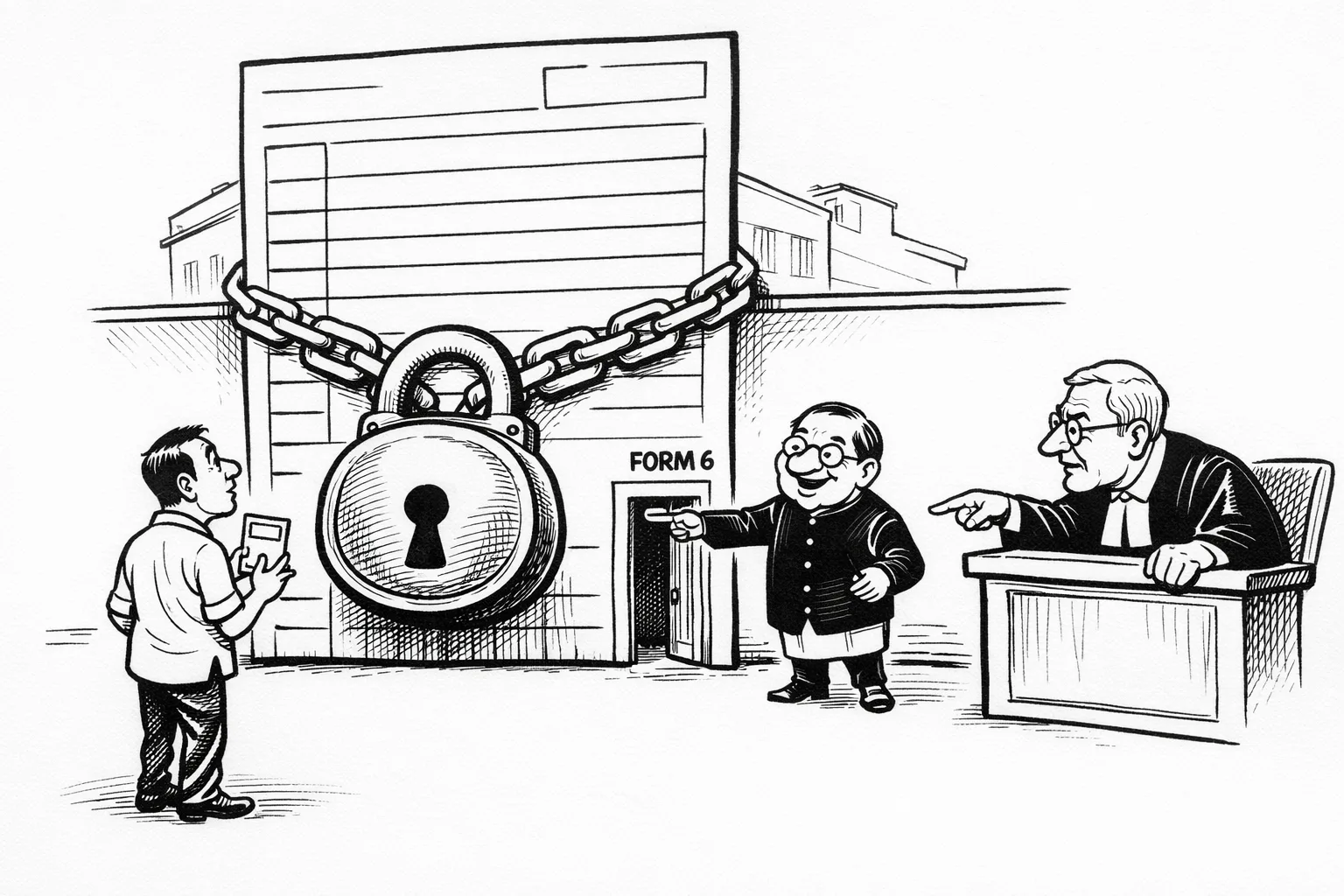
The Supreme Court questioned why voters omitted from the draft roll must carry the burden of finding their way back.
The Election Commission’s Special Intensive Revision has a simple official promise: accurate rolls, no eligible voter left out. In Delhi, the Supreme Court found a less tidy reality. Around 4.7 million electors had not submitted enumeration forms, including about 4.3 million categorised as permanently shifted or absent. The number is not a final count of wrongly deleted voters. It is, however, a sizeable administrative problem that the Election Commission cannot file away under “safeguards”.
The Court questioned why people already listed on the 2026 roll, but omitted from the draft roll, should have to use Form 6—the form intended for new enrolment. It said voters who had merely shifted residence should be allowed to use Form 8, and asked: “Instead of burden on them that they will approach, why don’t you reach out to them?” It also said the right to vote is a vital right and suggested publishing details of people whose forms were not received, along with their previous electoral information, at polling booths and other accessible locations. (Hindustan Times)
The ECI’s defence is that the process includes house-to-house visits, repeated attempts, claims and objections, hearings and appeals. The government says deletions are meant to cover deceased, duplicate, permanently shifted or repeatedly untraceable electors, and that valid grievances can restore names before finalisation. That is the paperwork. The Court’s point was about the person standing outside it: temporary absence is not permanent relocation, and a voter should not have to declare they were never enrolled simply because an official process failed to find them. (PIB)
Opposition parties have called the exercise “vote theft” and demanded Chief Election Commissioner Gyanesh Kumar’s resignation. The available record does not show that the BJP directed the ECI to target opposition voters, or that the 4.3 million figure represents confirmed wrongful exclusions. But the Court has documented a serious risk of wrongful exclusion and said complaints must continue to be examined. A process that removes people first and explains the route back later is not reassurance. It is administrative evasion with a form number.