Delhi’s New Democracy: Prove You Exist Before Voting
The government calls it housekeeping; 13 crore names have discovered that paperwork now outranks citizenship.
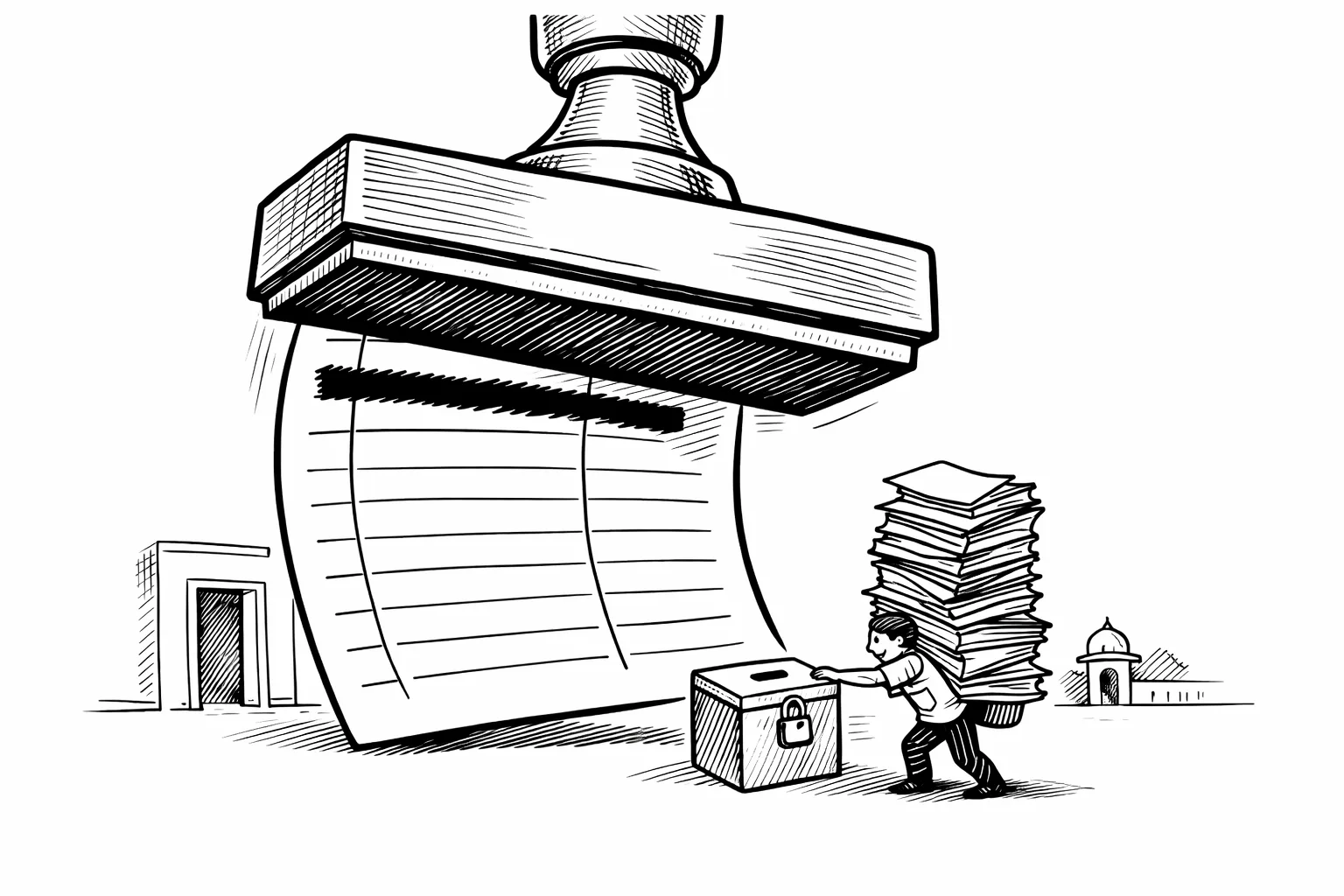
India’s voter list has apparently been sent for a wellness retreat. More than 13 crore names were removed from draft electoral rolls across 30 states and Union territories under the Election Commission’s Special Intensive Revision. The official explanation is familiar: dead voters, duplicate entries, migrants and other ineligible names. Fine. But when the tidy-up is larger than the population of several countries, “routine housekeeping” starts sounding like the sentence issued by an office that has misplaced the building.
The crucial point is not that 13 crore eligible voters have been conclusively proven to be disenfranchised. That claim would be careless. These are draft-roll deletions, not a final verified count of citizens permanently denied a vote. The point is more basic and more embarrassing: ordinary citizens are being pushed into proving that they deserve to retain a constitutional right. India’s ruling establishment has discovered a new democratic workflow — first remove the name, then ask the citizen to produce the paperwork proving they existed.
Chief Election Commissioner Gyanesh Kumar and the Narendra Modi government insist the exercise is necessary to remove bogus and duplicate entries. Perhaps. But a process that produces protests, demands for the commissioner’s resignation and a national argument over whether millions of people still exist has not exactly radiated administrative confidence. If the exercise is clean, publish the reasons clearly. Make appeals simple. Put the burden on the institution that deleted the name, not on a daily-wage worker, migrant family or elderly voter expected to assemble an archive of their own citizenship before lunch.
Congress has called it “vote theft” and a threat to democracy. The rhetoric is useful, but the precise fight is harder: show which names were wrongly removed, where, and how they can be restored. Meanwhile the BJP and the ECI are hiding behind the word “revision” as though a technical label can make public suspicion disappear. It cannot. Telangana should watch this closely. Migrant workers, minority communities and voters with imperfect paperwork are not statistical dust; their names determine representation, including the state’s future political weight. Delhi cannot lecture states about democratic procedure while treating vanished voters as a clerical inconvenience.
A democracy that makes citizens prove they deserve to vote is not cleaning the list. It is cleaning its conscience.
More from The Column
- Andhra Pradesh’s Great Nomination EscapeIn Naidu’s Andhra, democracy may enter the building after the ruling coalition checks its paperwork.
- Revanth Reddy’s Government Has Entered Its 15% EraA ₹3,296-crore road now comes with a cheaper bid, a missing comparison sheet and an allegation that demands an answer.
- 130 Million Voters Vanish, Delhi Calls It HousekeepingThe government has perfected a new democratic service: delete citizens first, then ask them to prove they exist.
- Telangana’s New Tender Policy: Qualify First, Pay LaterA written commission allegation has met the government’s oldest infrastructure project: the press release before the road.