India’s New Voter Must Prove They Exist
Delhi calls it a clean-up; citizens are handed paperwork and asked to defend their own franchise.
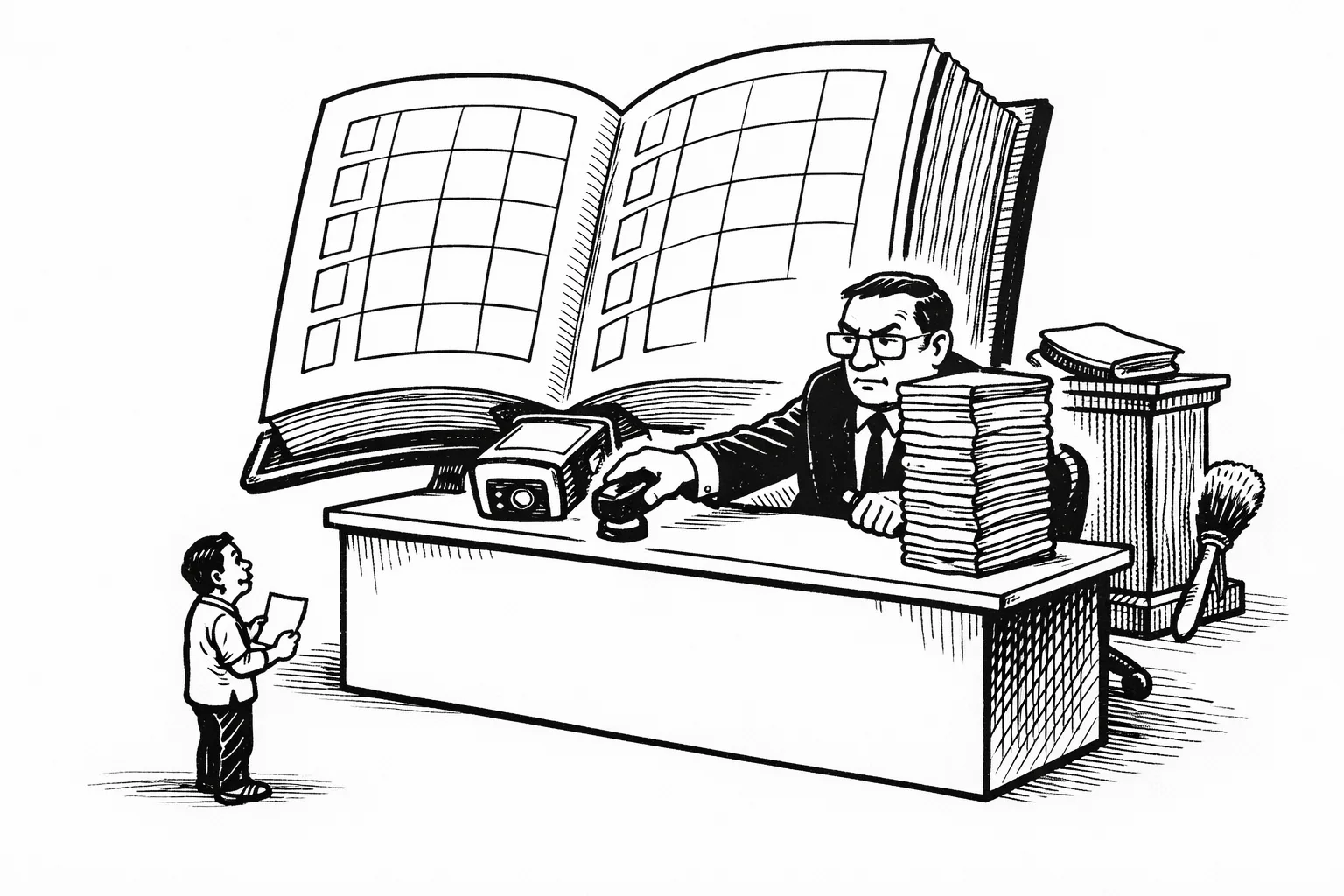
India’s democracy has apparently acquired a new entrance requirement: documentation. More than 130 million names have reportedly been removed from draft electoral rolls during the Election Commission’s Special Intensive Revision. That does not mean 130 million voters have been permanently disenfranchised; draft deletions are not final deletions. It does mean the country has been given a number large enough to make “routine verification” sound like a national evacuation.
The Election Commission says it is removing dead, duplicate, shifted and ineligible entries. Fair enough. Nobody wants a polling booth populated by ghosts, duplicates and people who moved away before the last government scheme was inaugurated. But the argument becomes less reassuring when eligible citizens are expected to produce an archaeological record of their existence. The question is not only how many names should be removed. It is how many people are now being made responsible for proving that they belong on the list in the first place.
Narendra Modi’s government gets to call this administrative purification while the Election Commission, led by Chief Election Commissioner Gyanesh Kumar, supplies the official vocabulary. Opposition parties say the exercise risks disenfranchisement. Rahul Gandhi, detained twice during protests, says voters are realising that their votes are being stolen. The slogans are political; the paperwork is real. And when the authorities restrict transport ahead of a protest against a process they insist is perfectly transparent, the democratic clean-up begins to resemble a room being tidied with everyone still inside it.
For Telangana, this is not a Delhi quarrel to watch with popcorn. Students, migrants, urban renters, workers and families whose addresses have changed faster than government databases can process them will all meet the same bureaucratic fantasy: one permanent citizen, one perfectly matching document, one obedient file. Telangana has enough experience of being asked to prove what it is, where it is and what it is owed. Now Delhi wants citizens to prove they exist before allowing them to vote.
A clean electoral roll is necessary. A clean democracy is not one where the voter is treated as a suspicious entry until cleared by paperwork. The government has not cleaned up democracy; it has made democracy apply for identity proof.
More from The Column
- Revanth’s 22-A Cure: One More CommitteeCitizens get frozen land, KCR gets a 30-day clock, and the government gets another achievement paragraph.
- The Election Commission’s New Voter: Missing, Please ReapplyThirteen crore names vanish, and democracy responds with a claims window and paperwork marathon.
- Telangana Congress Has Found One Scheme It Can ImplementRevanth Reddy’s voter-roll panic is administration outsourced to party workers, with democracy used as the campaign poster.
- India’s Voter List Has Entered Its Weight-Loss EraThe Election Commission wants citizens to prove they exist, then calls millions of missing names administration.