Telangana’s Power Plan: Blame Everyone Except Planning
Revanth Reddy’s government has turned an electricity crisis into a travelling theatre of warnings, weather reports and farmer advice.
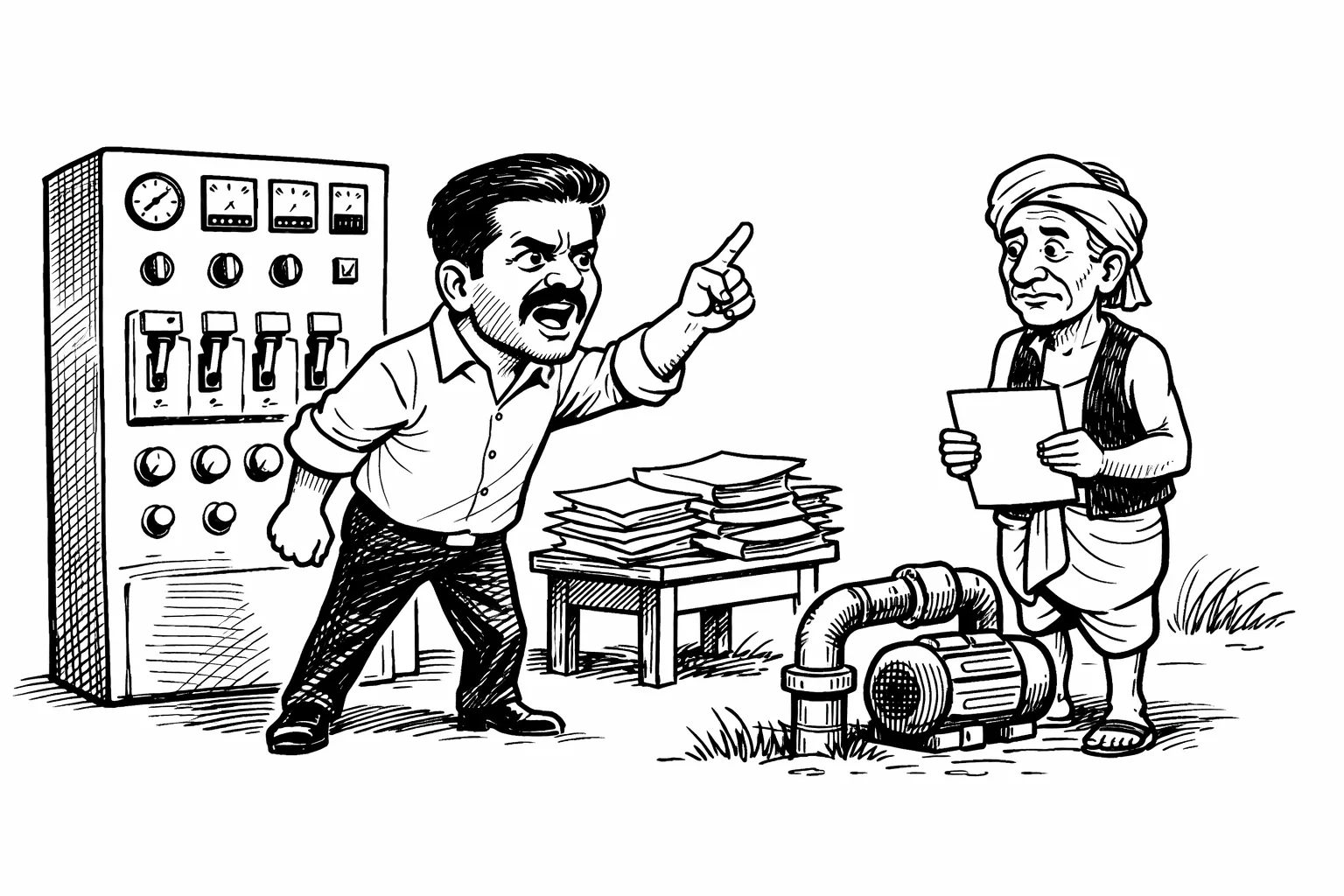
Telangana’s power crisis has finally found its culprit: the switchboard. Chief Minister A Revanth Reddy has threatened to suspend senior IAS officers, while asking officials to prepare for an El Niño crisis that may stretch until June 2027. The state’s electricity failed, apparently, because officers did not glare at the wires with sufficient administrative intensity. The weather may be difficult. The government’s explanation is simply more energetic than its preparation.
For days, the administration denied agricultural power cuts before discovering the emergency vocabulary of deficient rainfall, El Niño and “unusually high demand”. Revanth Reddy said October consumption, normally around 15,000 MW, had crossed 20,000 MW. A precise number is comforting. It gives a crisis the appearance of having been measured, even when it was not managed. The government has held reviews, issued directions and threatened suspensions. The one item missing from the performance is evidence that anyone planned for the conditions it says it saw coming.
The advice to farmers is the masterpiece: defer one crop cycle. Telangana’s farmers were promised irrigation, power and prosperity. They have received a climate lecture and an invitation to reschedule agriculture until the administration gets its electricity back. Deputy Chief Minister Mallu Bhatti Vikramarka has said that even paying ₹15 per unit cannot create power that is unavailable nationally. That may explain the market. It does not explain why the government’s public posture moved from denial to alarm to punishment without pausing at preparation.
The Opposition’s allegations about coal shortages and Singareni require investigation, not automatic conversion into fact merely because a microphone was nearby. But the government’s own conduct supplies the sharper indictment. Revanth Reddy is vigorous at assigning blame, issuing warnings and managing the politics around the crisis. On the central administrative question — whether a farmer can switch on a motor and reasonably expect electricity — the state is being offered forecasts, threats and excuses. Even GO 17, with its proposed Rythu Discom and solar dependence, has raised anxiety over whether round-the-clock free farm power is being quietly redesigned into a promise with conditions attached.
This is not crisis management. It is administrative theatre with farmers paying for the ticket. The Revanth government’s power plan is to threaten the officials, advise the farmers and blame El Niño. The lights may return; the competence has not.
More from The Column
- Andhra Pradesh’s Great Nomination EscapeIn Naidu’s Andhra, democracy may enter the building after the ruling coalition checks its paperwork.
- Revanth Reddy’s Government Has Entered Its 15% EraA ₹3,296-crore road now comes with a cheaper bid, a missing comparison sheet and an allegation that demands an answer.
- 130 Million Voters Vanish, Delhi Calls It HousekeepingThe government has perfected a new democratic service: delete citizens first, then ask them to prove they exist.
- Telangana’s New Tender Policy: Qualify First, Pay LaterA written commission allegation has met the government’s oldest infrastructure project: the press release before the road.