
Tollywood’s Box Office Has Entered Parallel Cinema
The Paradise opened strongly, then its publicity machine released four different versions of the same rupee.
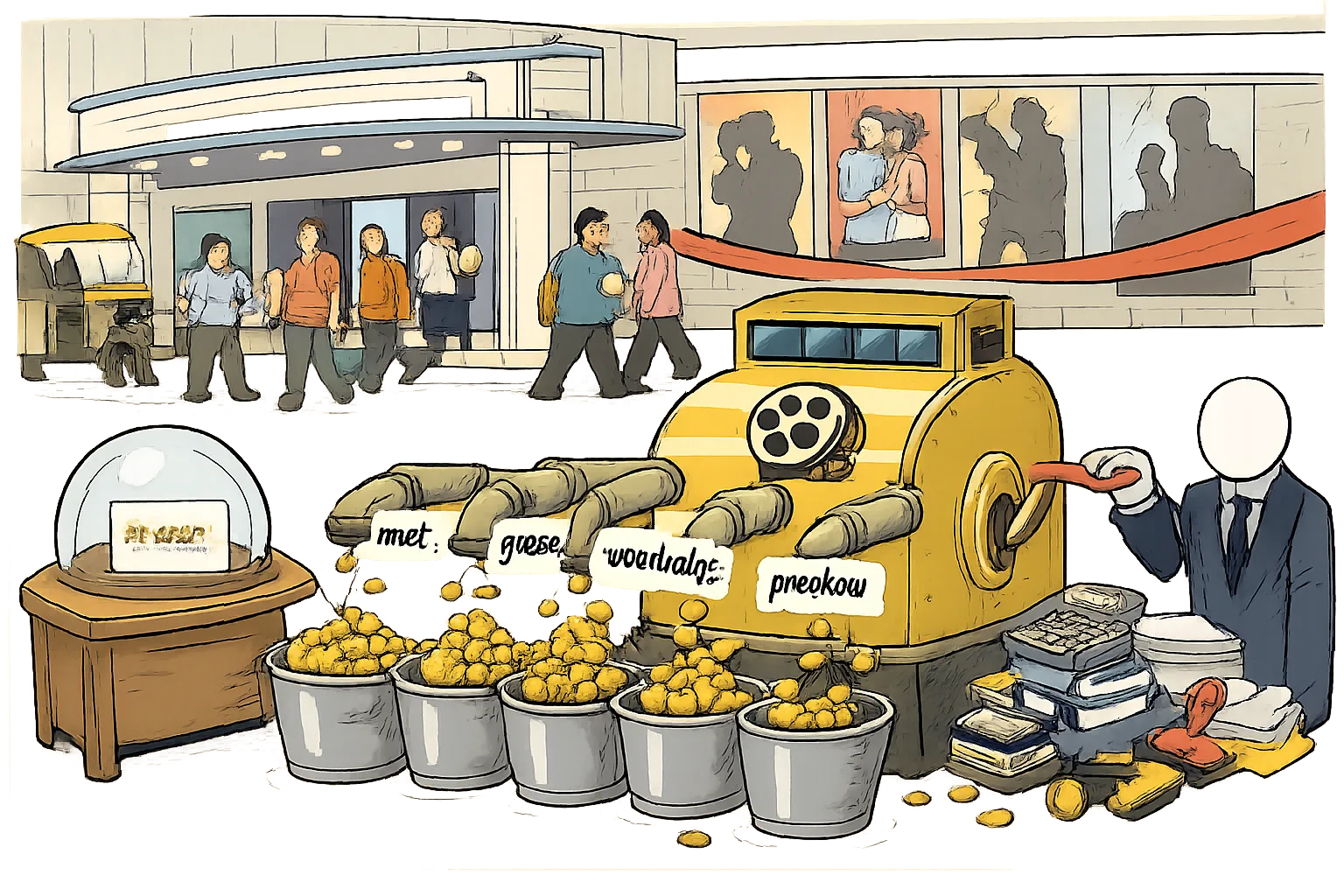
Tollywood has finally solved the box-office problem. A film no longer needs merely to succeed. It must succeed in several incompatible ways before lunch, preferably while the audience is still finding the exit.
Nani’s The Paradise opened on September 24 after paid previews. By the next day, the trade ecosystem had produced an arithmetic festival: one report put the India net at ₹34.65 crore, another had ₹35 crore plus ₹11 crore from previews, while live trackers moved through ₹27.94 crore, ₹29.34 crore and ₹34 crore. One worldwide report reached ₹74.90 crore. The only figure missing was the number of people who agreed what any of those figures meant.
That is not a complaint about a strong opening. Nani’s film appears to have delivered his biggest opener, ahead of Dasara, HIT: The Third Case and Saripodhaa Sanivaaram. State the achievement plainly and let it stand. But Tollywood’s publicity machinery cannot leave a good number alone. It must add previews to day one, gross to net, overseas to domestic, every language to every other language, and then announce a record before the first weekend has finished breathing. The box office is now less a measurement of business than a mood board with rupee symbols.
The review ecosystem, meanwhile, remains calibrated to two settings: coronation and sabotage. A published review gave the film 2.5 stars, praising its visual confidence while arguing that the second half lost control. This was apparently close to declaring war on civilisation. Nani’s clarification that a court order concerned alleged AI- and bot-generated defamatory material, not genuine reviews, is a sensible distinction. It also leaves the industry facing an awkward question: why must criticism be artificial to be treated as dangerous, while a ₹74.90 crore worldwide claim is accepted as a naturally occurring event?
The fan armies will now defend a film, a career, a genre, a region and possibly the national budget in one continuous thread. The producers will count. The PR shops will amplify. The paid reviewers will discover new adjectives. The audience will watch the film and form its own opinion, an old-fashioned activity not yet covered by court order.
The Paradise may become a hit. The numbers have already become fiction.
More from The Column
- The Government Solved 22-A, Except For LandownersBhu Bharati has made private property private, documented and mysteriously unavailable for use.
- Andhra’s Teacher Jobs Enter Their Political Science Phase16,347 posts, 3.3 lakh applicants and one government determined to make paperwork a personality cult.
- Congress Finds the Anti-Defection Law Under the FurnitureDanam Nagender’s disqualification leaves Telangana with a vacant seat and the ruling party with a constitutional headache.
- Tollywood Announces The Hit Before Showing The FilmThe film may succeed. The publicity department has already booked the victory lap, the trophy and three sequel headlines.