
An affidavit is not a corruption conviction
The Assembly heard land allegations against KCR’s family. The records currently show disclosure and an inquiry—not a finding of illegal possession or corruption.
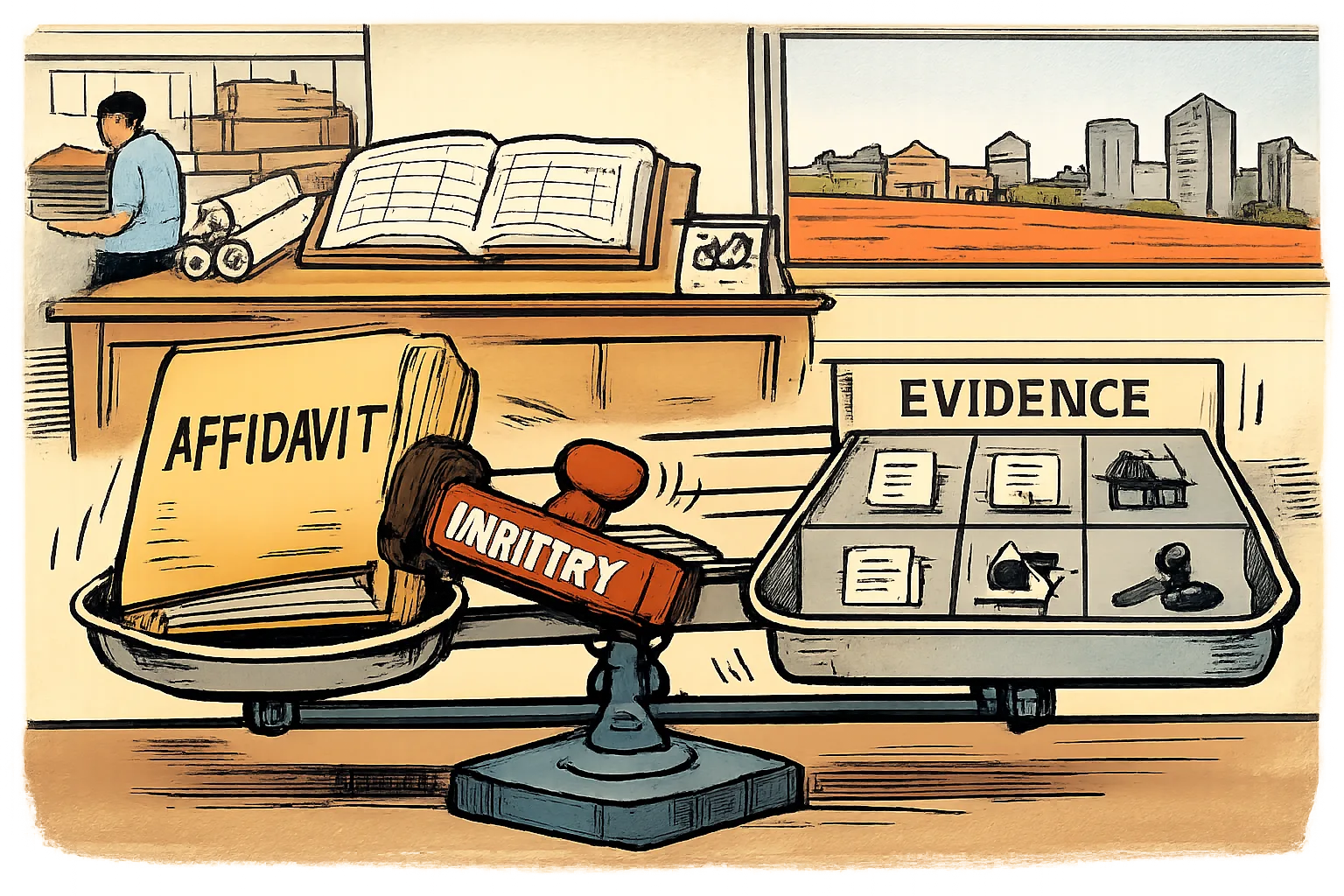
The Assembly debate has prompted an inquiry; no final legal finding has been recorded.
The Congress government in Telangana has turned declared landholdings into a political charge sheet, but the available record has not yet turned them into a legal finding. The Telangana Assembly discussed Section 22-A properties on September 16, with Chief Minister A. Revanth Reddy alleging that land linked to K. Chandrashekar Rao’s family and other BRS leaders exceeded legal limits. He also ordered Revenue officials to examine whether government land formed part of KCR’s Erravelli farmhouse property. The inquiry was given 30 days. That is an inquiry, not a conviction with a deadline attached.
The 2023 election-affidavit archives show that KCR, K. T. Rama Rao and T. Harish Rao declared agricultural and other properties, including survey numbers, areas, purchase dates and stated costs. Harish Rao said his land was disclosed in his affidavits and tax returns, and sought an independent and judicial inquiry. The records do not prove every holding is legal. They do establish the narrower point that disclosure is not evidence of corruption, unexplained wealth or government-land occupation.
No final revenue report, ceiling calculation, eviction order, court finding or transaction-level evidence was located. The Congress government can investigate the land. It cannot investigate its way directly to a verdict.