BJP agent, 30 forms and one voter-roll loophole
Officials found all 30 electors at their recorded addresses. The FIR followed; the unanswered question is who assembled the data.
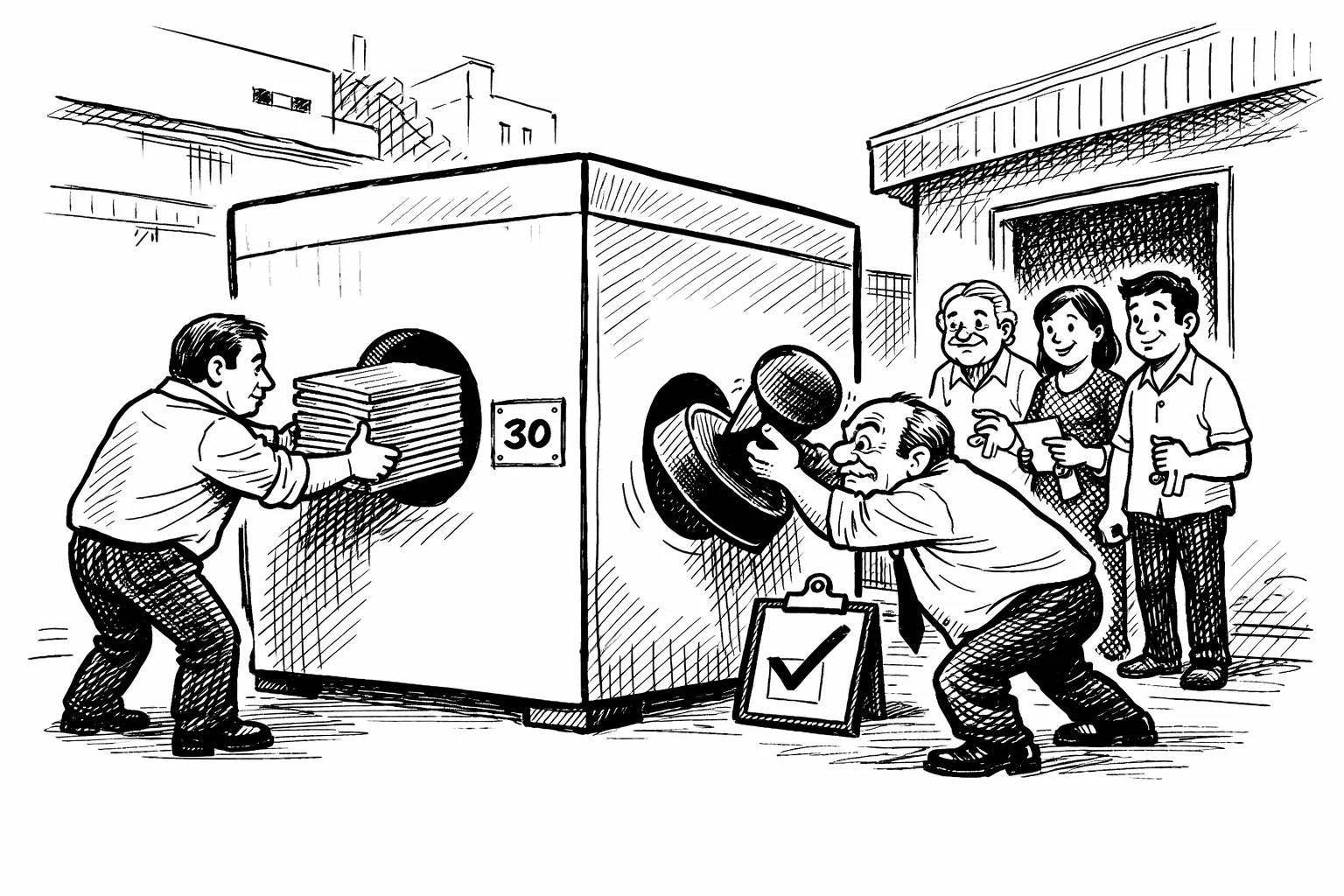
The system caught the forms. The hole is still unexplained.
A BJP booth-level agent allegedly tried to trigger the deletion of 30 Muslim electors in Musheerabad using pre-printed Form 7 applications. Election officials checked the addresses. All 30 voters were there. The paperwork, rather less impressively, was not.
Chikkadpally police registered a case on October 6 against S. Balachander over applications presented at Polling Station No. 210 on September 28, according to reports quoting the complaint and FIR. The forms allegedly claimed that the electors had “permanently shifted” or did not live at the recorded addresses. The booth-level officer and supervisor reportedly refused to receive them; the FIR says Balachander left the forms at the polling station and left.
Field verification on October 1 found all 30 electors at their addresses. The applications were therefore treated as liable for rejection. Nothing in the material consulted shows that any of the 30 names was deleted. The case is an alleged false-declaration attempt by one BJP-linked agent, not proof of a BJP-wide operation. The BJP has rejected the allegation of a party-led deletion drive and called for the evidence to be tested through the legal process. No direct response from Balachander was found in the material consulted.
That distinction matters, but it does not make the episode harmless. Form 7 is an objection or deletion application, not a magic eraser: the Telangana CEO’s reported position is that applications must be properly filled, scrutinised and verified before action. Yet the applications were digitally pre-printed, and police are still examining who assembled the names and addresses, who printed the forms and whether anyone else was involved. The reports do not answer those questions.
The Congress government in Telangana now has a narrower and more important job than issuing reassuring statements: publish the verification and rejection records, explain how the pre-printed data entered the process, and show whether similar forms surfaced elsewhere. A voter roll cannot be protected by discovering bad paperwork only after it reaches the polling station. The system caught this batch; it has not yet explained the hole it came through.