E20 row: Centre has 893 samples, not the receipt
Karnataka reports readings up to 31.2%; the BJP-led Centre says 56 state samples stayed between 19% and 20%. Neither has published the outlet-level trail that would settle the dispute.
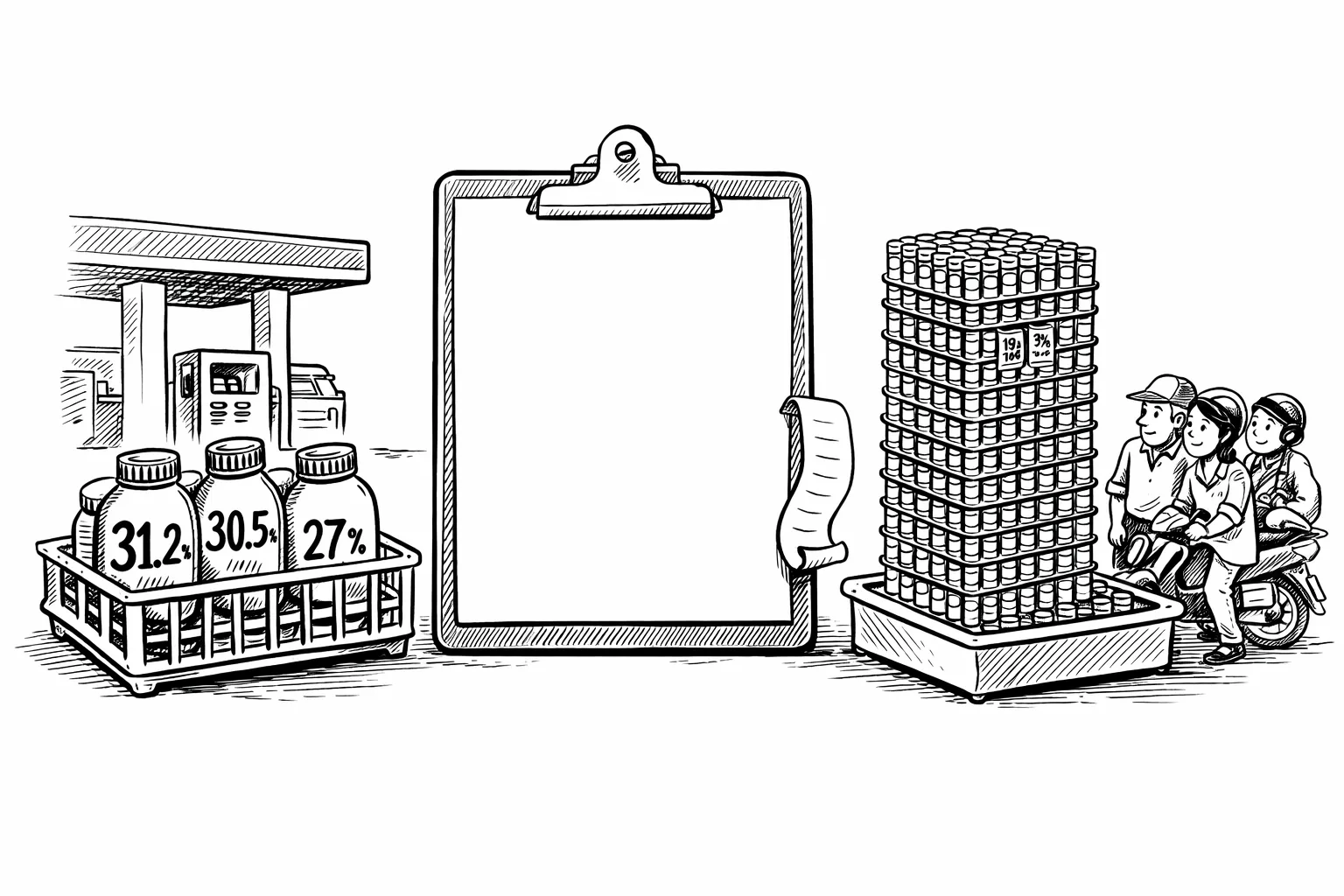
The missing link in the E20 dispute is the sampling trail.
The E20 dispute has produced two incompatible numbers and one conspicuous absence: the paperwork needed to compare them. Karnataka says it tested 63 petrol samples across seven districts and found ethanol levels as high as 31.2%. The BJP-led Centre and public-sector oil companies say they tested 56 Karnataka samples as part of an 893-sample exercise across 27 states and Union territories, with readings between 19% and 20%. The public is expected to choose a side without being shown whether either side tested the same fuel.
Karnataka’s reported results included 31.2% in an IOCL sample, 30.5% and 27% in HPCL samples, and readings above 24% in samples linked to BPCL, Nayara and Shell. Those are reported laboratory findings, not independently verified certificates: the state has not published the full outlet-wise reports in the material reviewed. The Centre’s November 7 PIB statement says all 893 samples were within 19–21%, with the 56 Karnataka samples averaging 19.30%. It has not published the outlet list, collection dates, batch details or raw reports either.
That leaves the central question unanswered. The public record does not show whether the two exercises sampled the same outlets, underground tanks, delivery batches, fuel grades or dates. The oil companies say Karnataka’s certificates do not identify the applicable test method, dilution procedure or reference material, and that samples were collected without their representatives. Karnataka Minister Rizwan Arshad says the department was pushed into third-party testing after oil-company reports did not clearly disclose ethanol content. Both sides have a complaint. Neither has supplied the bridge.
The Centre’s own official material acknowledges that E20 can reduce mileage by roughly 1–6%, depending on vehicle and calibration, while rejecting Karnataka’s estimate of a blanket 10% loss and its Rs 62,000 crore annual figure. The result is not a settled finding of over-blending, nor a clean exoneration. It is an accountability failure dressed up as a technical quarrel: Delhi and Karnataka have produced competing test counts while withholding the chain-of-custody record motorists need. The BJP-led Centre can publish 893 samples; publishing the receipt should not require a second fuel policy.