NALSAR row gets constitutional footnotes
Two Supreme Court judges made remarks on dissent, professional independence and institutional accountability at NLU Delhi events amid the fallout from the NALSAR–Bar Council dispute. The speeches did not publicly name the Hyderabad university.
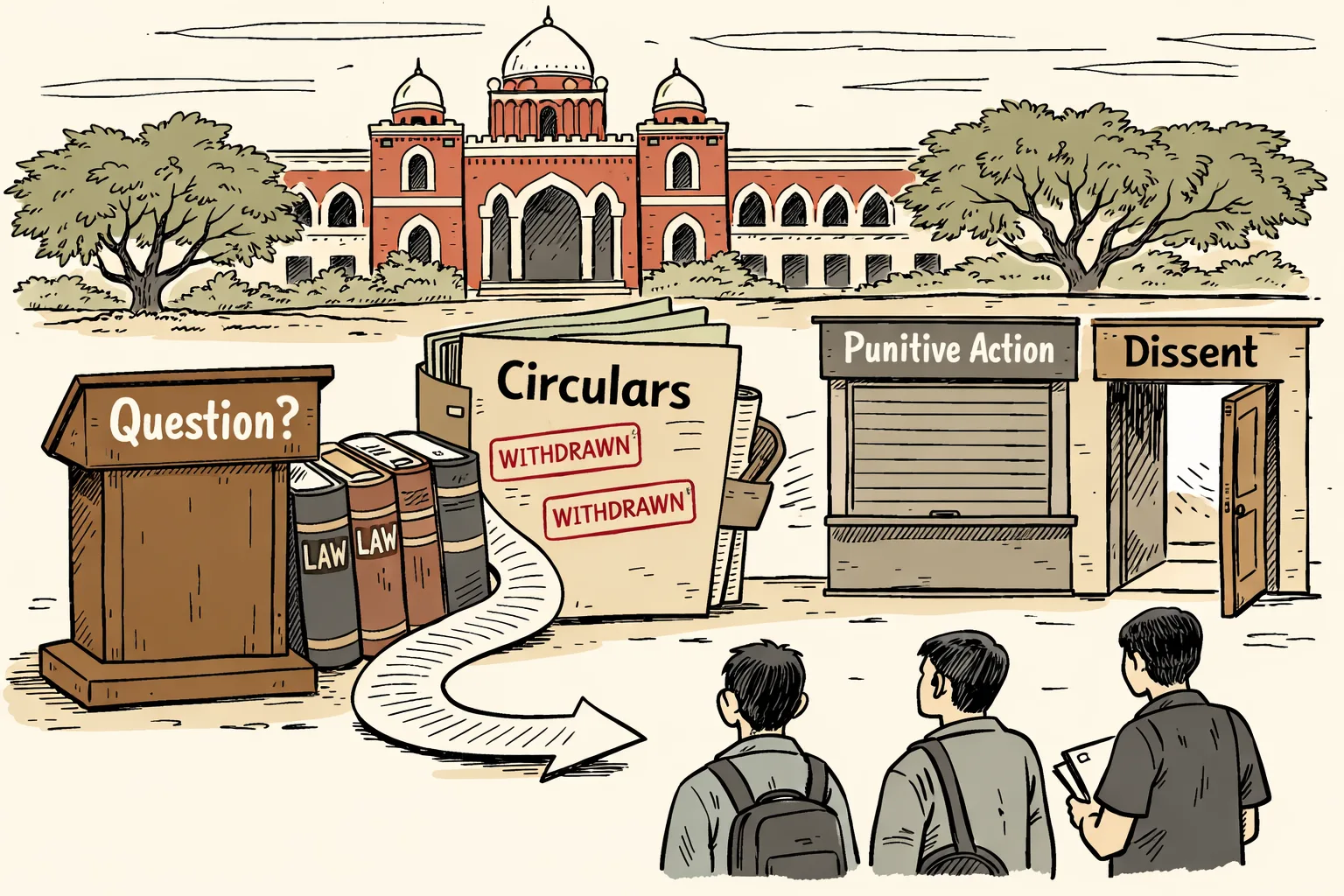
A constitutional afterlife for the NALSAR–Bar Council dispute.
The NALSAR–Bar Council dispute has acquired a constitutional afterlife, with two Supreme Court judges making remarks on dissent and institutional independence at National Law University Delhi events. The speeches did not publicly mention NALSAR, so the connection is context, not a confession from the podium.
Justice B.V. Nagarathna, speaking at NLU Delhi’s August 29 convocation, said Bar Councils must introspect when they fail to earn the respect of their members. She also said the independence of the Bar exists so lawyers can “advise, argue, challenge and represent” without seeking permission from the State or the market, according to published legal reporting. NLU Delhi’s official release records the address and its themes of constitutional values, ethics and professional independence, but not those quotations.
Justice Ujjal Bhuyan was separately reported to have said that questioning authority is not defiance and that students cannot be threatened with punitive action for expressing a different view. That account has not been independently confirmed by an official transcript or recording.
The backdrop is documented. In an August 14 order in the NALSAR-related case, the Supreme Court recorded that the Bar Council of India had withdrawn the disputed circulars and directed that no punitive action be taken against NALSAR students or faculty by the BCI or any State Bar Council. The court’s order is less interested in institutional theatre than in a basic proposition: students may question authority. Apparently, this still requires judicial reminding.